

The Ultimate West Coast Glamping Map: From Pacific Cliffs to Redwood Forests
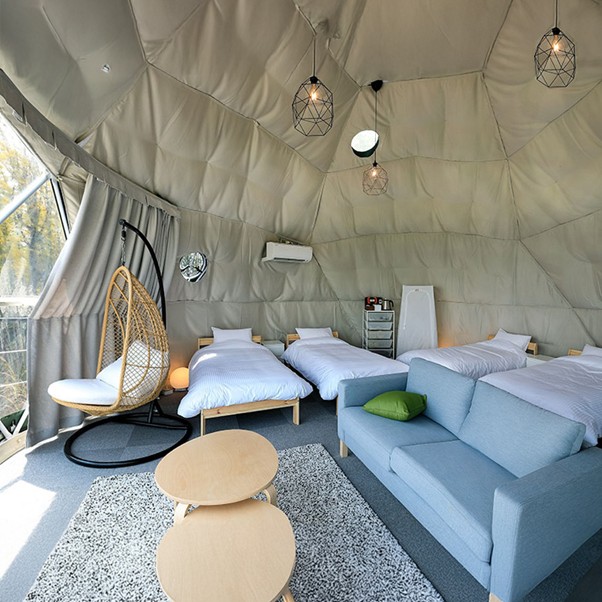
Dome for resorts
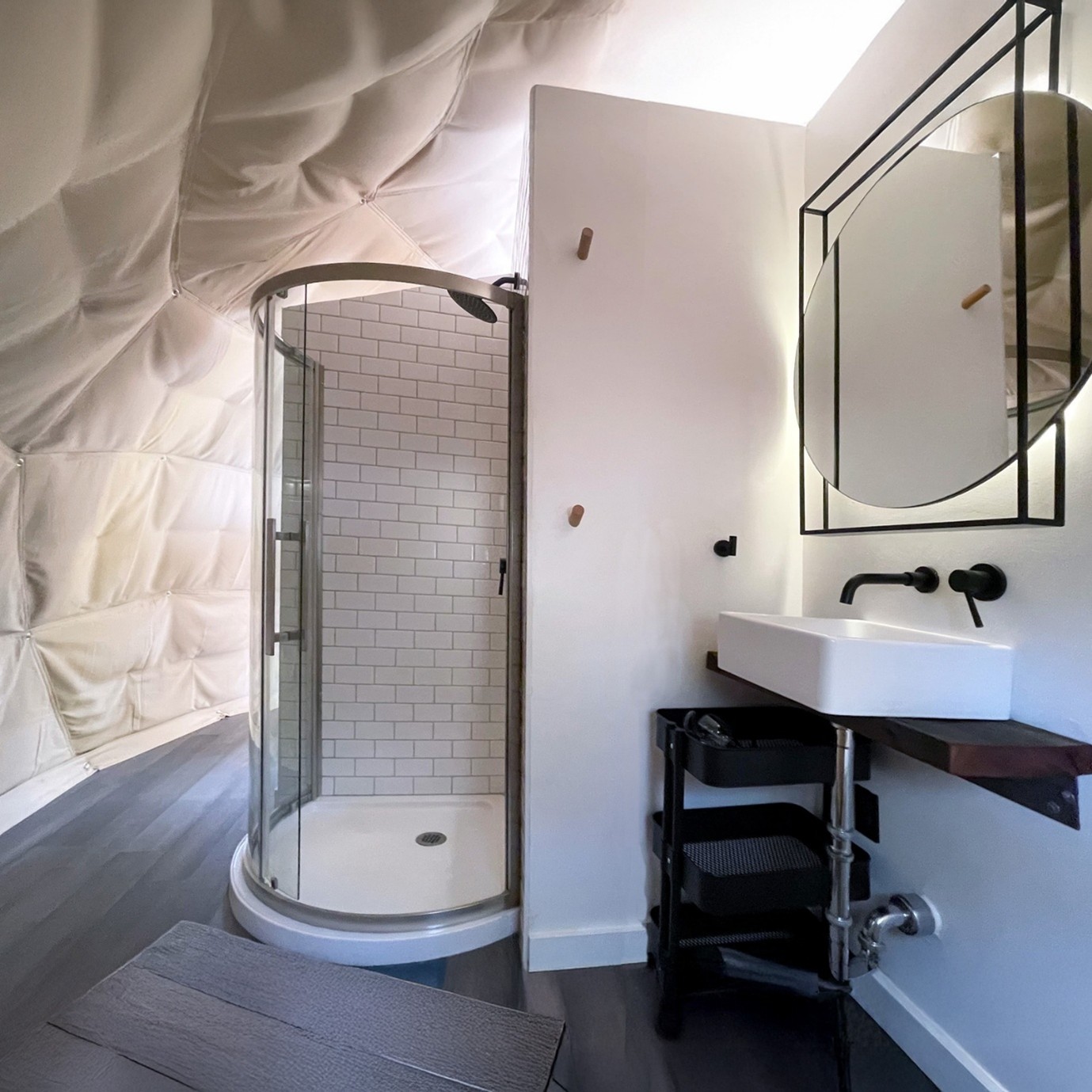
luxury glamping dome interior
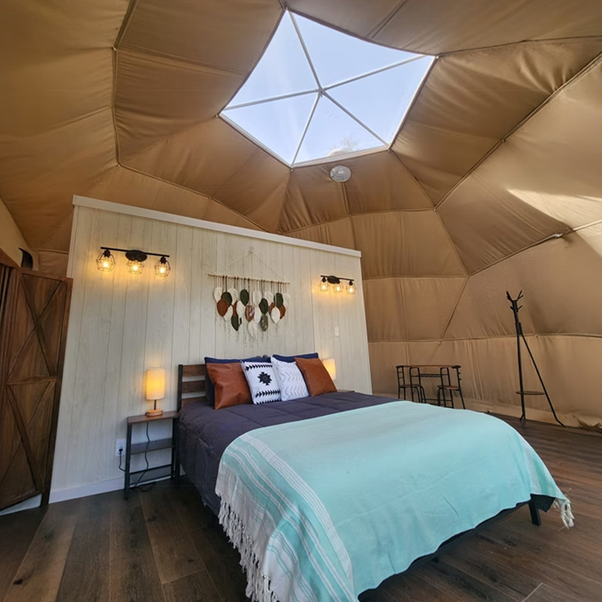
7m Stargazer Geodesic Dome
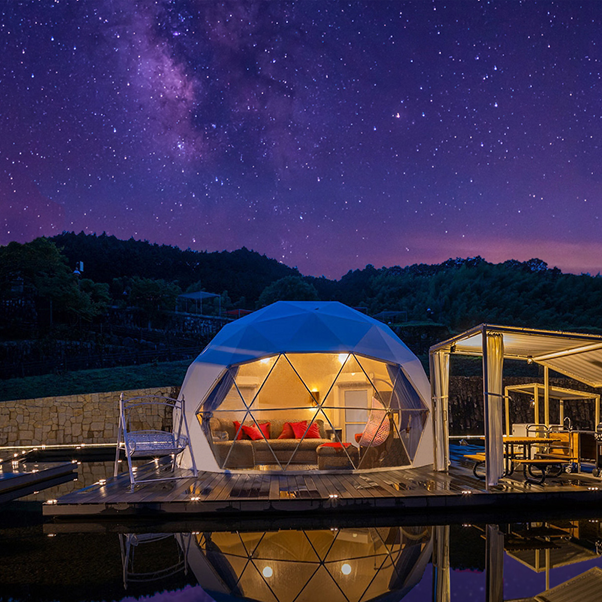
luxury geodesic dome
Discover the ultimate West Coast glamping map, featuring breathtaking stays from Pacific cliffs to Redwood forests for your next unforgettable outdoor adventure
PORTLAND, OR, UNITED STATES, June 12, 2026 /EINPresswire.com/ -- 11/June/26, The West Coast of North America continues to see sustained growth in outdoor hospitality, with resort developers expanding accommodation offerings to meet rising demand for nature-based travel experiences. Luna Glamping, a manufacturer of geodesic dome structures for outdoor hospitality, has identified a notable shift toward diversified lodging formats, where resorts are combining multiple accommodation types to better align with evolving guest preferences and maximize occupancy potential.Expanding Beyond a Single Accommodation Model
Glamping development across coastal and forested regions is no longer centered on a single structure type. While dome accommodations remain a prominent feature due to their durability and design flexibility, safari tents are also widely used to complement resort offerings.
This combination allows developers to move beyond a one-size-fits-all approach. By integrating both domes and tents within a single property, resorts can create layered experiences that appeal to different segments of the market. This approach reflects a broader trend in hospitality toward personalization and flexibility in lodging options.
Serving a Wider Range of Guest Preferences
Travelers seeking outdoor accommodations often have varying expectations regarding comfort, privacy, and price. Dome structures are typically associated with higher levels of insulation, structural strength, and all-season usability, making them suitable for guests prioritizing comfort and durability.
Safari tents, on the other hand, offer a lighter, more traditional glamping experience that appeals to guests seeking simplicity and closer proximity to nature. Their generally lower cost structure can also make them accessible to a broader range of travelers.
By offering both accommodation types, resorts can serve guests across different budget levels and experience preferences without compromising overall quality.
Supporting Group Travel and Multi-Unit Bookings
The inclusion of diverse accommodation types also creates opportunities for group travel. Families, corporate retreats, and social gatherings often require multiple units with varying configurations.
In such cases, a mix of domes and tents allows guests to select accommodations based on individual preferences while remaining within the same property. Some groups may choose to book both structure types simultaneously, creating a more flexible and inclusive lodging arrangement.
This adaptability supports higher occupancy rates and enables resorts to accommodate a wider range of booking scenarios.
West Coast Landscapes Encourage Flexible Development
The geographic diversity of the West Coast plays a significant role in shaping how glamping resorts are designed. Coastal cliffs, forested regions, and mountainous terrain each present unique opportunities and constraints.
Safari tents are often well-suited for areas requiring minimal site disturbance, while dome structures can be positioned to take advantage of panoramic views and more exposed environments. The ability to deploy different accommodation types across varied terrain allows developers to optimize land use and enhance the overall guest experience.
This flexibility is particularly valuable in regions where environmental considerations and land-use regulations influence development decisions.
Balancing Durability and Accessibility
From an operational perspective, combining domes and tents allows resorts to balance durability with accessibility. Dome structures, with their reinforced frameworks and weather-resistant materials, are typically designed for long-term use across multiple seasons.
Tents, while generally lighter in construction, can be deployed efficiently and expanded as needed to meet demand. This balance enables resorts to maintain a stable core of durable accommodations while retaining the ability to scale more flexibly.
Such strategies are increasingly relevant as operators seek to manage costs while responding to fluctuating demand patterns.
Adapting to Changing Booking Trends
Booking behavior in the outdoor hospitality sector continues to evolve, with travelers planning earlier and seeking more personalized experiences. Resorts that offer a range of accommodation types are better positioned to respond to these trends.
Diverse lodging options allow operators to capture demand across different segments, from premium travelers to those seeking more accessible entry points into glamping. This adaptability can help reduce vacancy rates and improve overall revenue performance.
Additionally, properties that provide varied accommodations may stand out in competitive markets, attracting guests who value choice and flexibility.
Operational Considerations for Mixed Accommodation Resorts
Managing a property with multiple accommodation types requires careful planning to ensure consistency in service and quality. Maintenance requirements, guest expectations, and operational workflows may differ between domes and tents.
However, the ability to standardize certain elements—such as booking systems, site layout, and guest services—can support efficient operations. Features such as keyless entry systems in dome accommodations can streamline access management, while well-planned layouts can ensure that both structure types integrate seamlessly within the property.
These considerations are essential for maintaining a cohesive guest experience across diverse lodging formats.
Long-Term Value of Accommodation Diversity
Resort developers are increasingly viewing accommodation diversity as a strategic asset rather than a logistical challenge. By offering multiple lodging options, properties can attract a broader audience, support higher occupancy levels, and adapt more effectively to market changes.
This approach also reduces reliance on a single accommodation type, providing greater resilience in response to shifts in traveler preferences. Over time, the ability to cater to different segments within a single property can contribute to more stable and predictable revenue streams.
A Growing Trend in West Coast Hospitality
The integration of domes and safari tents reflects a broader evolution in the outdoor hospitality industry. As demand for experiential travel continues to grow, resorts are exploring ways to differentiate their offerings while maintaining operational efficiency.
The West Coast, with its diverse landscapes and strong tourism demand, provides a setting where such strategies can be effectively implemented. Properties that embrace accommodation diversity are increasingly positioned to meet the expectations of modern travelers.
The continued expansion of glamping across the West Coast highlights the importance of flexibility, durability, and guest-focused design. By combining multiple accommodation types within a single resort, operators can better align with varied preferences, support group travel, and optimize long-term performance in a competitive market.
About Luna Glamping
Luna Glamping works with hospitality developers and landowners to supply engineered dome structures, safari tents for outdoor lodging projects. Its offerings are used in a range of environments, from coastal destinations to forest retreats, supporting scalable development with a focus on durability, functionality, and adaptability to different climate conditions.
Media Contact:
Luna Glamping
hello@lunaglamping.com
+ 1 (888) 370 1991
https://lunaglamping.com/
Tyson
Luna Glamping
+1 (888) 370 1991
hello@lunaglamping.com
Visit us on social media:
Instagram
Facebook
YouTube
Legal Disclaimer:
EIN Presswire provides this news content "as is" without warranty of any kind. We do not accept any responsibility or liability for the accuracy, content, images, videos, licenses, completeness, legality, or reliability of the information contained in this article. If you have any complaints or copyright issues related to this article, kindly contact the author above.
